Section 8 in Binghamton: How the Housing Choice Voucher Actually Works With Us
We accept Section 8. Plenty of landlords do not. Here is how the process actually works, what to expect from the HACB inspection, and what to ask before you apply.

We accept Section 8 Housing Choice Vouchers. That sentence is short. The actual process behind it has more steps than most voucher holders are told upfront. Below is the practical walkthrough — what happens between "I have a voucher" and "I have keys to an apartment."
The Housing Authority of the City of Binghamton (HACB) administers most local vouchers. Broome County has additional voucher programs through Opportunities for Broome and the New York State Office of Temporary and Disability Assistance. Each has slightly different paperwork, but the core process is the same.
What a Housing Choice Voucher actually pays
The voucher pays a portion of your monthly rent directly to the landlord. The tenant pays the rest. The split is calculated from your household income — typically the tenant pays roughly 30% of adjusted monthly income, and the voucher pays the difference up to a fair market rent ceiling set annually for the metropolitan area.
The 2026 fair market rents for Binghamton-Johnson City MSA, per HUD's published schedule, run roughly:
- Studio: $725
- 1BR: $830
- 2BR: $1,055
- 3BR: $1,335
- 4BR: $1,540
These are not maximums you have to hit — they are the ceilings the program will subsidize up to. If your chosen apartment rents above the FMR for that size, you can sometimes pay the difference yourself, depending on your housing authority's specific rules.
Step one: Get a Request for Tenancy Approval (RFTA)
When you find an apartment you want to rent, you ask the landlord to fill out a Request for Tenancy Approval. This is a HUD form that tells the housing authority what the landlord is asking, what utilities are included, and basic unit information. We have filled out thousands of these. We fill them out same-day when our prospective tenants ask.
This form is the formal start of the process from the housing authority's perspective. They will not schedule anything until they have it.
Step two: HQS Inspection
After the RFTA is submitted, HACB schedules a Housing Quality Standards inspection. An inspector visits the unit and walks through a 100+ item checklist. The inspection has to pass before the lease can begin.
What inspectors specifically check:
- Working smoke and carbon monoxide detectors on every floor and outside every sleeping area
- Window blinds or coverings (a recent addition — bare windows can fail an inspection)
- No peeling paint on units built before 1978 (lead paint risk)
- Functional plumbing — every faucet runs, every toilet flushes, no leaks
- Functional electrical — outlets work, no exposed wiring, GFCI in wet rooms
- Functional heat — must be able to heat every habitable room to 64 degrees
- Hot water — every fixture
- Working refrigerator and stove
- No broken windows, no broken locks on exterior doors
- Working egress — every bedroom has a window large enough to climb out of
- No insect or rodent infestation
- Adequate ventilation in bathrooms and kitchens
- Stable floors, walls, ceilings — no large holes or active leaks
Our buildings pass these inspections routinely because we maintain them for the standard above the floor the inspection is checking against. The places that fail are the ones where a landlord deferred maintenance for years. Our senior tenants page and 1-bedroom page cover the units we most commonly place voucher holders into.
Step three: HAP Contract
If the inspection passes, the landlord signs a Housing Assistance Payment contract with the housing authority and a lease with you, the tenant. Both happen simultaneously. The housing authority pays its portion of rent to the landlord. You pay your portion to the landlord. The amounts are recalculated annually based on your reported income.
What we will and will not do
What we do:
- Accept vouchers from HACB and the Broome County voucher programs
- Fill out RFTA forms same-day
- Maintain our units to HQS standard so inspections pass first time
- Honor the same lease terms (12 months standard) for voucher and non-voucher tenants
- Cap annual rent increases at 3-4% for voucher tenants
- Apply the same screening criteria (credit history, eviction history, references) for voucher and non-voucher tenants — but not income, because the voucher itself is the income verification
What we do not do:
- Charge voucher holders a "voucher fee" or a higher security deposit (illegal in New York State)
- Skip the screening process — voucher status does not waive standard screening
- Wait indefinitely for a voucher to be issued — once we have a qualified non-voucher applicant ready, we lease. If your voucher process is in motion, tell us specifically where it stands.
What to ask before you apply
Practical questions to ask any landlord who says they accept vouchers:
- Will you fill out an RFTA this week if I bring you one?
- Has this specific unit passed an HQS inspection before?
- What is your annual rent increase policy?
- Do you require last month's rent in addition to first month and security deposit? (Some do, some don't — both legal.)
- Are utilities included? If not, what's the typical monthly cost? (This affects your voucher math.)
How to start a voucher search with us
If you have a voucher and want to rent from us:
- Browse the available units page — every listing shows rent and utilities
- Filter to units that fit your voucher size — studios, 1BR, 2BR, 3BR
- Email us at leasing@binghamtonliving.com with your voucher size and your housing authority
- We will reply with current voucher-eligible inventory and walk you through the RFTA
The voucher program exists because housing is essential. We treat it that way.
Questions about this guide.
Do you accept Section 8 vouchers?+
Yes — from HACB and Broome County voucher programs. We fill out RFTA forms same-day.
Will a HQS inspection delay my move-in?+
Typically 2-3 weeks from RFTA submission to inspection to lease signing. We maintain units to pass first-time, so we rarely fail and re-inspect.
Can a landlord refuse to rent to me because I have a voucher?+
In New York State, source of income is a protected class. Refusing to rent based on voucher status alone is unlawful.
Do you charge voucher holders a higher security deposit?+
No — that would be illegal in New York. We charge the same one-month security deposit regardless of payment source.
Listings related to this guide.
Hand-picked from our current availability that matches what this guide covers.
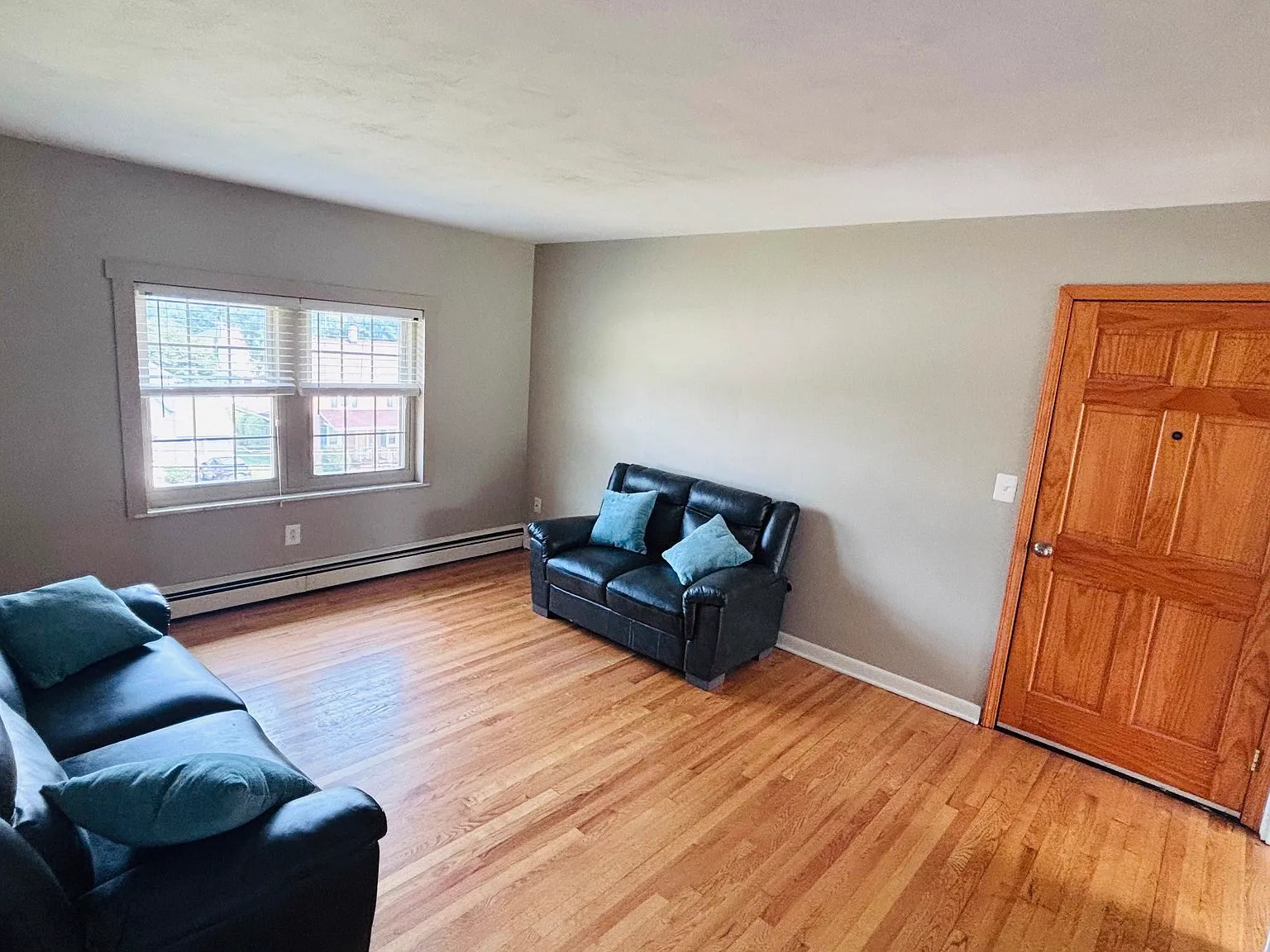
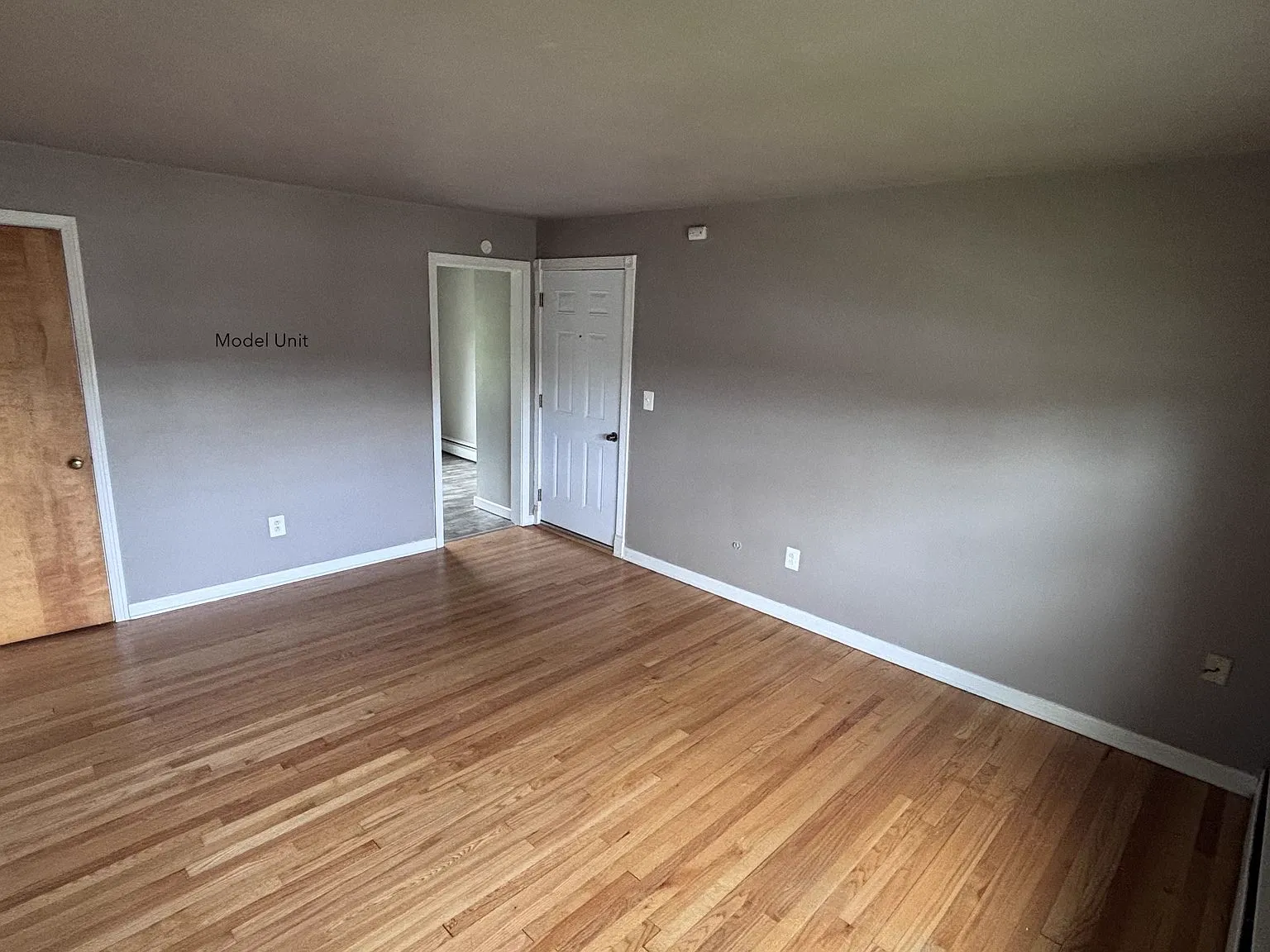
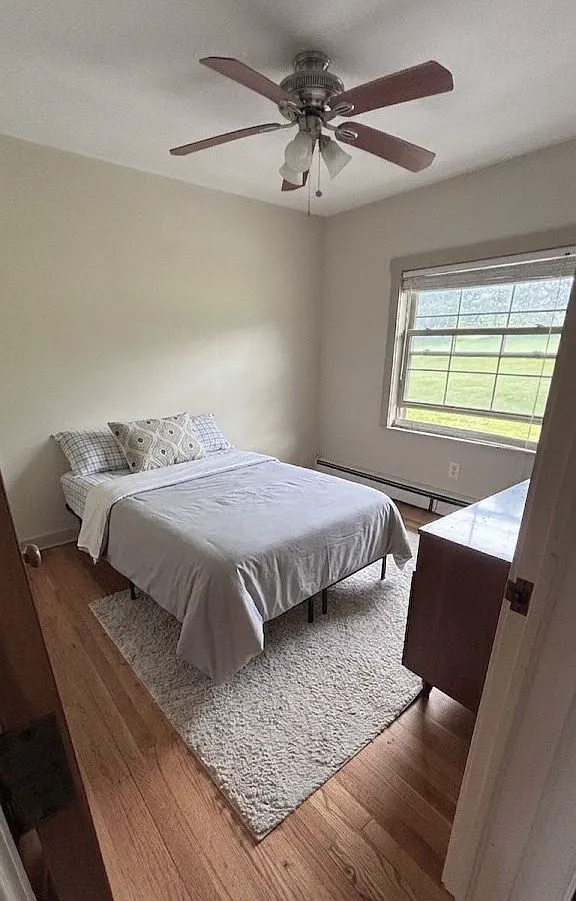
More from our editorial desk.


Questions about renting with us, or a specific unit you saw in this guide?